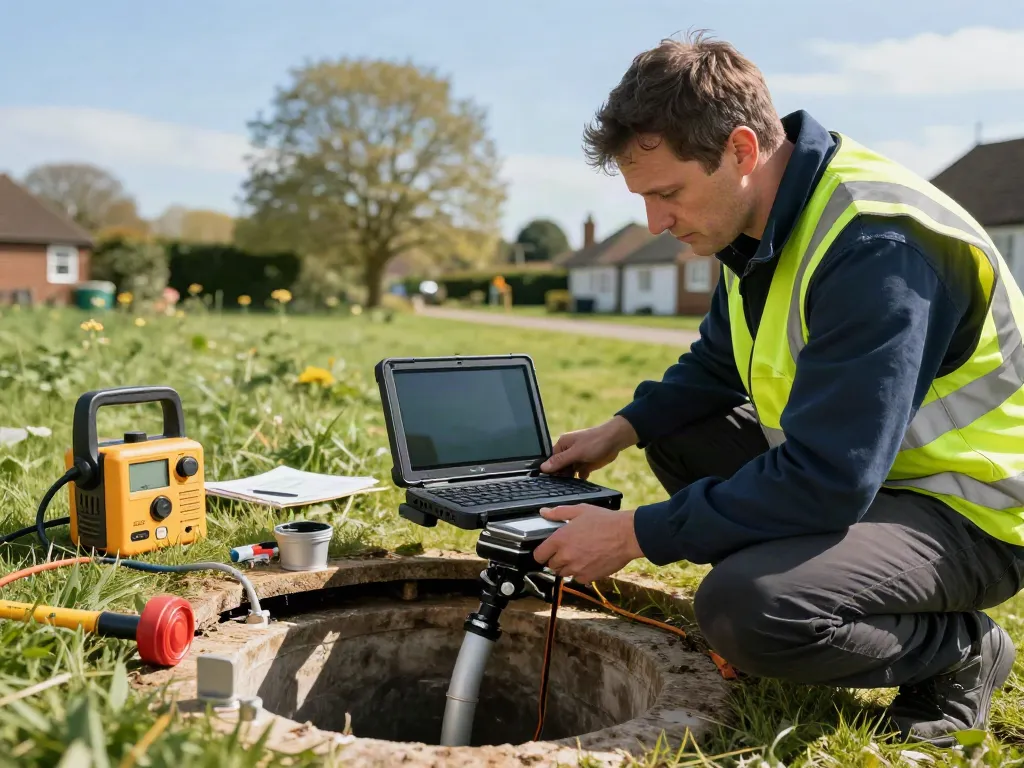
Understanding the Role of Drainage Surveyors in Surrey
Drainage surveyors play an essential role in the maintenance and management of underground drainage systems. Their expertise is particularly crucial in urban areas like Surrey, where the complexity of drainage networks often leads to a myriad of potential issues. From identifying blockages caused by tree roots to assessing the structural integrity of pipes, drainage surveyors utilize advanced technologies to ensure that drainage systems are functioning effectively. Recognizing the importance of these professionals, many rely on Drainage Surveyors Surrey for comprehensive assessments and reports.
What Services Do Drainage Surveyors Offer?
Drainage surveyors provide a variety of critical services that assist property owners, developers, and local authorities in maintaining drainage systems. These services typically include:
- Comprehensive CCTV drainage surveys for inspection and assessment of underground systems
- Preparation of detailed reports and condition assessments for maintenance planning
- Identification of potential risks and recommendations for remediation
- Utility mapping to prevent disruption during construction projects
- Investigations of drainage issues to determine causes of blockages and failures
- Consultation services for architects and builders regarding drainage solutions
Qualifications and Certifications of Drainage Surveyors
To ensure high-quality drainage surveying services, professionals must possess relevant qualifications and certifications. Many surveyors undergo extensive training and may hold certifications such as:
- National Certificate in Drainage Surveying
- City and Guilds Level 2 in Drainage Maintenance
- Certification for using Ground Penetrating Radar (GPR)
- Confined Space Training for working in hazardous environments
These certifications not only affirm the surveyor's expertise but also demonstrate their commitment to health and safety standards.
Common Tools and Technologies Used in Drainage Surveys
Drainage surveyors rely on a range of advanced tools and technologies to conduct thorough inspections. Key equipment includes:
- CCTV cameras equipped with high-resolution imaging for real-time footage
- Ground Penetrating Radar (GPR) for locating buried assets
- Laser profilers for assessing pipe dimensions
- Drain jetting equipment for clearing blockages
- WinCan software for data analysis and reporting
These tools enhance the accuracy of drainage assessments, allowing surveyors to provide detailed insights into the state of drainage systems.
Importance of CCTV Drainage Surveys
CCTV drainage surveys have emerged as a vital method for inspecting drainage systems without the need for extensive excavation. This non-invasive technology offers several benefits that support both immediate and long-term drainage management.
How CCTV Technology Works in Drainage Inspection
CCTV drainage surveys utilize high-resolution cameras mounted on flexible rods that are inserted into drainage pipes. As the camera navigates through the pipes, it captures video footage that allows operators to identify structural issues, blockages, and other anomalies. The footage can be easily reviewed, analysed, and recorded for future reference, making it an invaluable tool for property owners and surveyors alike.
Benefits of Non-Invasive Drainage Surveys
Non-invasive drainage surveys provide numerous advantages, including:
- Minimizing disruption to the property and surrounding area
- Reducing excavation costs and the potential for soil damage
- Offering a quicker turnaround for diagnosing drainage issues
- Providing visual evidence for clients, enhancing understanding and trust
- Allowing for detailed planning and preventive maintenance strategies
Common Issues Detected During CCTV Drainage Surveys
CCTV drainage surveys can uncover a variety of issues, including:
- Blockages caused by debris, grease, or tree roots
- Cracks, fractures, or misalignments in pipes
- Significant deterioration of drainage materials
- Corrosion and leaks that may lead to environmental concerns
- Structural failures that could cause long-term damage to the drainage system
Identifying these problems early allows for timely remediation, preventing costly repairs down the line.
Key Factors to Consider When Hiring Drainage Surveyors in Surrey
When seeking drainage surveyors, especially in Surrey, it’s important to consider several factors to ensure you receive high-quality service.
Finding Accredited and Experienced Surveyors
Look for surveyors who are accredited by recognized professional bodies. Experience in local drainage systems is also vital, as Surrey's unique infrastructure may present specific challenges.
Cost Considerations for Drainage Surveys
Costs can vary widely based on the complexity of the survey and the specific services required. It’s advisable to obtain multiple quotes and clarify what is included in the service.
Client Testimonials and Case Studies
Reviewing testimonials and case studies can provide insights into the performance and reliability of a drainage surveyor. Satisfied clients are often a good indication of the level of service you can expect.
Common Challenges in Drainage Surveying
While drainage surveying is crucial, it comes with its own set of challenges that surveyors must contend with.
Overcoming Technological Limitations
Despite advances in technology, there are limitations, such as the difficulty in accessing certain drainage pipes or the inability of some equipment to detect specific issues. Continuous training and investment in the latest tools can help address these challenges.
Dealing with Complex Underground Structures
In urban areas, drainage systems can be complicated due to overlapping utilities and aged infrastructure. Surveyors must navigate these complexities to provide accurate assessments.
Common Misconceptions about Drainage Surveys
Many property owners are unaware of the range of issues that drainage surveys can address, believing they are only useful for major problems. Continual educational efforts can help dispel these misconceptions.
The Future of Drainage Surveying in Surrey (2026 and Beyond)
As technology continues to evolve, the future of drainage surveying looks promising, with innovations enhancing the precision and efficiency of surveys.
Innovations in Survey Technology
Emerging technologies, such as robotics and AI-driven analysis, are set to revolutionize how surveys are conducted and data is interpreted, leading to more accurate and faster results.
Trends Impacting Drainage Surveying Practices
Sustainability practices are becoming increasingly important, with surveyors needing to consider environmental impacts and implement eco-friendly solutions in their surveying methods.
How Environmental Changes Affect Drainage Needs
With climate change leading to increased rainfall, drainage systems are under more pressure than ever. Surveyors will need to adapt their strategies to ensure systems are robust enough to handle these changes.
What is the average cost of a drainage survey?
The cost can vary widely, but average prices typically range from £100 to £300 for a standard survey. Specific factors influencing cost include the size and condition of the drainage system.
How long does a CCTV drainage survey take?
A CCTV drainage survey can typically be completed within a few hours to a day, depending on the size of the network being surveyed and the complexity of the issues identified.
Are drainage surveys worth the investment?
Yes, investing in a drainage survey can save significant costs in the long run by identifying issues before they escalate into major problems that require expensive repairs.
What should I look for in a drainage survey report?
Key elements to review include clear visual documentation, detailed descriptions of findings, recommendations for repairs, and any necessary CAD drawings for reference.
How often should I have my drainage system surveyed?
It’s advisable to have a drainage survey conducted every few years, or whenever significant changes or construction occurs, to ensure ongoing functionality and prevent issues.