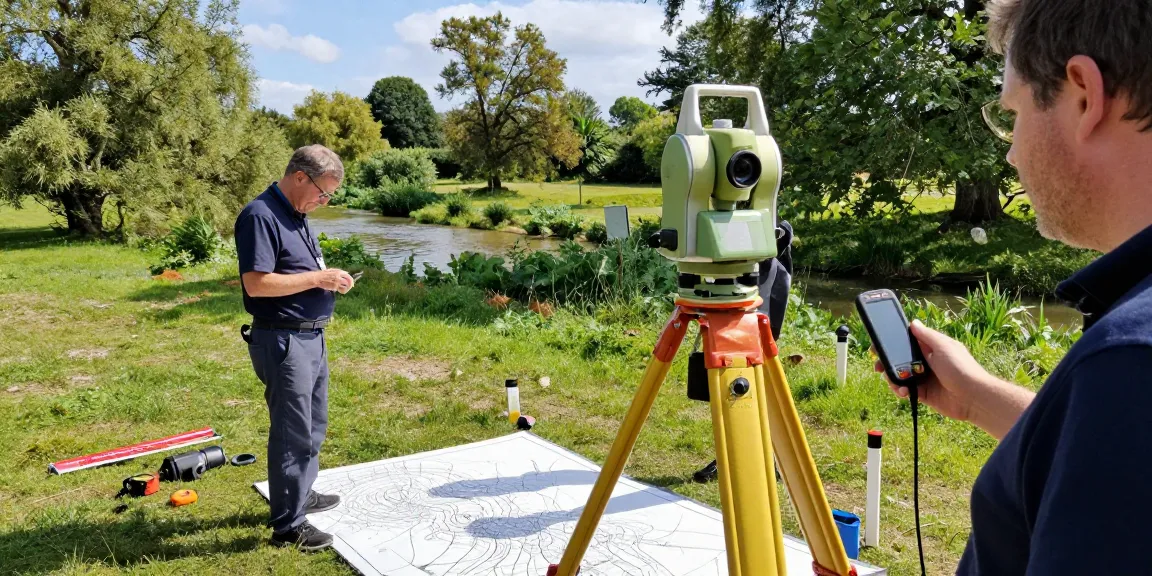
Topographical Land Surveys Sussex Success Stories: How Professionals Achieved Accurate Land Assessments
Understanding Topographical Land Surveys in Sussex
Topographical land surveys play a critical role in the planning and execution of construction projects throughout Sussex. These surveys provide essential data regarding the contours, elevations, and features of a specific area, serving as the foundation for effective land development. For those looking to undertake a project in this region, Topographical Land Surveys Sussex offer comprehensive insights into the land’s characteristics, ensuring that projects proceed on a solid basis.
What is a Topographical Land Survey?
A topographical land survey is a detailed representation of the physical features of a given land area. This type of survey captures both natural elements, such as hills and valleys, and man-made structures, including buildings and roads. Typically, these surveys are conducted using sophisticated surveying equipment, which allows for high levels of accuracy and detail.
Importance of Accurate Data for Development Projects
Accurate data from topographical surveys is invaluable for architects, engineers, and developers. Whether it’s determining suitability for construction, planning drainage systems, or understanding the landscape for landscaping purposes, having precise information can significantly influence a project’s success. It helps mitigate risks, improve planning accuracy, and ensure compliance with local regulations.
Key Features Measured in Topographical Surveys
- Elevation points and contour lines
- Natural and man-made features
- Boundaries and property lines
- Infrastructure details such as roads and pathways
- Drainage and water flow patterns
The Process of Conducting Topographical Land Surveys
Conducting a topographical land survey involves several key steps, each vital to ensure accurate and actionable data is collected. Surveyors typically follow a structured approach, from the initial planning to the final report.
Equipment and Technology Used in Surveys
Modern surveys utilize a range of advanced equipment, including GPS technology, robotic total stations, and laser scanners. Equipment like Leica P20 laser scanners and RTC 360 scanners enables surveyors to gather data with exceptional precision, ensuring that every detail of the landscape is captured accurately.
Stages of a Typical Survey Project
- Planning: Defining the project scope and selecting the area to be surveyed.
- Fieldwork: Conducting the survey using the chosen equipment.
- Data Processing: Analysing and converting raw data into usable formats.
- Reporting: Compiling the findings into comprehensive reports with maps and models.
Common Challenges Surveyors Face in Sussex
Surveyors often encounter various challenges, including difficult terrain, urban environments with complex infrastructure, and varying weather conditions. Adapting to these challenges requires experience and a deep understanding of surveying methods and technology.
Applications of Topographical Surveys in Sussex
Topographical surveys have a wide array of applications across various industries, particularly in construction and land development.
Utilising Survey Data in Construction and Planning
The data derived from topographical surveys serves numerous purposes in construction projects. It aids in designing building layouts, planning drainage systems, and ensuring compliance with zoning laws. Developers rely heavily on this data to make informed decisions throughout the project lifecycle.
Case Studies: Successful Projects in Sussex
Numerous successful projects in Sussex have relied on topographical surveys, from residential developments to large-scale commercial constructions. For instance, a recent housing project in Mid Sussex benefited from detailed survey data, leading to improved site layouts and effective management of natural drainage systems.
Environmental Considerations in Topographical Surveys
Environmental concerns are increasingly influencing how topographical surveys are conducted. As sustainability becomes paramount, surveyors integrate environmental assessments into their surveys, ensuring that projects adhere to ecological standards and minimise environmental impacts.
Choosing the Right Surveying Company in Sussex
When selecting a surveying company, it’s crucial to consider various aspects that can affect the quality of the survey conducted.
What to Look for in a Surveyor
Key traits to look for include qualifications, experience, and the technology they employ. A reputable firm will be transparent about their methods and willing to share case studies or examples of their previous work.
How Experience Impacts Survey Quality
Experience can greatly enhance the accuracy and reliability of survey results. Companies with a long-standing presence in the field are likely to have developed effective methodologies and a keen understanding of the local geography.
Client Testimonials and Success Stories
Reviewing client testimonials can provide insight into a company’s reliability and quality of work. Positive feedback often indicates a surveyor’s ability to meet project deadlines and deliver high-quality data.
Future Trends in Topographical Surveys
The field of surveying is continuously evolving, with new trends emerging that reshape practices and technologies.
Emerging Technologies Shaping the Industry
Advancements in technology, such as drones and AI-driven analysis tools, are set to revolutionise topographical surveys. These innovations allow for faster data collection and more detailed insights into land features.
Predictions for Surveying Practices in 2026 and Beyond
As we move towards 2026, a trend towards increased automation and real-time data sharing is anticipated. This will enable quicker decision-making processes and enhance collaboration between surveyors and their clients.
How Sustainability is Influencing Survey Methods
Sustainability considerations will continue to impact surveying methods, with a focus on reducing the carbon footprint of projects. Surveyors will increasingly incorporate eco-friendly practices into their workflows, aligning with broader environmental goals.
What are the costs associated with Topographical Land Surveys?
The cost of topographical land surveys can vary significantly based on factors such as the size of the site and the level of detail required. Generally, in the UK, the costs can range from £800 to £4,000, depending on the complexity of the survey.
How long does a Topographical Survey take to complete?
The duration of a topographical survey will depend on several factors, including the size and complexity of the area surveyed. Smaller sites may take a day or two, while larger or more complex surveys can take weeks to complete.
Who should conduct a Topographical Land Survey?
It’s advisable to hire a professional, accredited surveying company that employs qualified surveyors familiar with the local geography and regulations. This ensures that the survey is conducted accurately and meets all necessary guidelines.
What are common uses for Topographical Surveys?
Topographical surveys are commonly used in various applications, including construction planning, land development, landscaping, and environmental assessments. They provide crucial data for any project that requires an understanding of the land’s features.
How does weather affect Topographical Surveys?
Weather conditions can significantly impact the timing and accuracy of surveys. Adverse weather, such as heavy rain or snow, can delay projects and affect the visibility of land features. Therefore, surveyors must be prepared to adjust their plans based on weather forecasts.