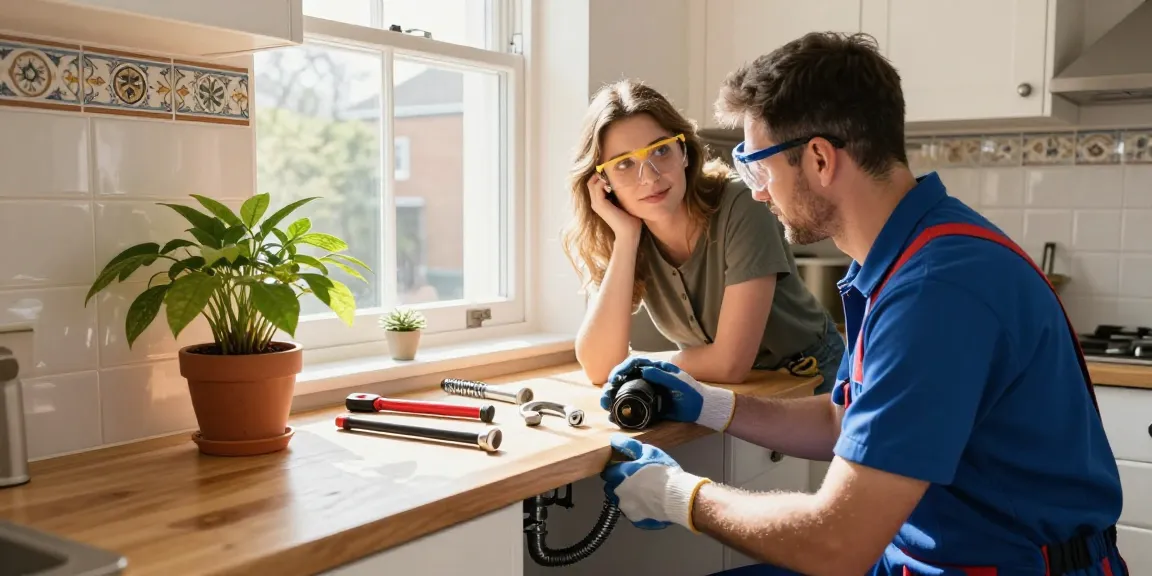
Blocked Drain London Survival Guide: Navigating Home Repairs in 2026
Understanding Blocked Drains in London
Blocked drains are a common issue for homeowners in London, often leading to significant stress and costly repairs. Understanding the causes, symptoms, and impacts of blocked drains is essential for effective prevention and management. Whether it’s a minor clog or a severe blockage, being informed can save you time and money. When exploring options, blocked drain london provides comprehensive insights into effective solutions and expert services available in your area.
What Causes Blocked Drains?
Blocked drains can be caused by various factors, which commonly include:
- Accumulation of Debris: Hair, soap, grease, and food particles can build up in pipes over time, leading to clogs.
- Foreign Objects: Items such as wipes, toys, and sanitary products can obstruct drainage systems if flushed down the toilet.
- Tree Roots: Invasive root systems can infiltrate underground pipes, causing blockages that require professional intervention.
- Pipe Degradation: Aging pipes can corrode and collapse, leading to serious drainage issues.
Common Symptoms of a Blocked Drain
Identifying the symptoms of a blocked drain early can prevent further complications. Look out for the following signs:
- Slow draining sinks or tubs
- Unpleasant odors from drains
- Gurgling sounds when water is draining
- Water pooling around fixtures
How Blocked Drains Affect Your Home
Blocked drains can lead to multiple issues beyond immediate inconvenience. These include:
- Water Damage: Blocked drains can cause water to back up, leading to flooding and damage to floors and walls.
- Mold Growth: Standing water can promote mold growth, posing health risks to residents.
- Structural Issues: Prolonged exposure to moisture can weaken the structural integrity of your home.
DIY Solutions for Blocked Drains
While professional help is often necessary for severe blockages, many homeowners can address minor clogs with the right techniques and tools. Here’s how you can tackle blocked drains yourself.
Basic Tools for Drain Cleaning
Before you begin, it’s vital to have the right tools on hand. Basic tools include:
- Plunger
- Drain snake
- Bucket
- Baking soda and vinegar
- Rubber gloves
Step-by-Step DIY Techniques
Here are some practical steps you can take:
- Use a Plunger: A plunger can often clear minor clogs in sinks and toilets by creating a vacuum that dislodges debris.
- Try a Drain Snake: Feed a drain snake into the drain to break up or pull out any obstructions.
- Baking Soda and Vinegar: Pour warm water down the drain, followed by baking soda, then vinegar. Let it sit for 30 minutes before rinsing with hot water. This can help dissolve buildup.
When DIY Efforts Fail: Assessing the Situation
If your DIY efforts don’t resolve the issue, it’s time to consider calling a professional. Signs of a more serious problem include:
- Multiple drains in your home are clogged
- Persistent foul odors
- Recurring blockages
Choosing the Right Professional Service
When it comes to blocked drains, choosing the right professionals is crucial for effective, long-lasting solutions. Here are some criteria to consider.
What to Look for in a Drainage Specialist
Critical qualities include:
- Experience: Look for specialists with years of experience in handling blocked drain issues.
- Certifications: Ensure they are certified and insured to perform drainage work in London.
- Technology: Opt for companies utilizing modern technology, such as CCTV drain surveys, to assess problems accurately.
Comparing Prices and Services in London
Prices can vary widely among drainage specialists. It’s advisable to compare several quotes while considering the range of services offered. Look for transparent pricing without hidden fees.
Check Reviews and Recommendations
Before making a decision, check online reviews and ask for recommendations from friends or neighbors. Positive feedback can provide confidence in your choice of service provider.
Preventative Measures to Avoid Blockages
Preventing blocked drains is often easier and more cost-effective than dealing with a blockage after it occurs. Here are some proactive measures homeowners can take.
Regular Maintenance Tips for Homeowners
Maintaining your drains can help you avoid serious issues:
- Regularly clean your drains by flushing them with hot water.
- Use a strainer in sinks and showers to catch debris.
- Schedule regular drainage inspections with a professional.
Best Practices for Kitchen and Bathroom Drains
In the kitchen, avoid pouring grease down the drain and regularly clean your disposal. In the bathroom, ensure that hair and soap scum are removed consistently from the shower drain.
Identifying Triggers for Future Problems
Be aware of potential triggers that could lead to future blockages, such as:
- Heavy rainfall leading to drainage overflow
- Tree roots encroaching on your plumbing
- Old or damaged pipes
Future Trends in Drainage Solutions
As we look towards 2026, several trends and innovations could impact drainage solutions significantly.
Innovations in Drain Cleaning Technology
Emerging technologies, such as robotic drain cleaning and advanced pipe inspection techniques, are transforming how clogged drains are handled.
Eco-Friendly Solutions for Drain Management
With increasing awareness of environmental issues, many companies are developing eco-friendly solutions, including biodegradable drain cleaners and sustainable pipe repair methods.
Preparing for 2026: What Homeowners Should Know
Homeowners should prepare for changing regulations, potential increases in plumbing costs, and the need for environmentally responsible practices in home maintenance.
What Should You Do If Your Drain Gets Blocked?
If you find yourself with a blocked drain, first try to assess the situation using DIY methods. However, if blockage persists, contact a professional service immediately to avoid complications.
How Often Should You Check Your Drains?
Regular maintenance checks on your drains should be done at least twice a year. More frequent checks are advisable if your home is older or if you experience frequent blockages.
Can Blocked Drains Cause Structural Damage?
Yes, prolonged blockages can lead to severe structural damage, including foundation issues and mold growth, which can be costly to repair.
Why Is Regular Drain Maintenance Important?
Regular maintenance helps to prevent blockages, prolong the life of your plumbing system, and ensure a healthy living environment.
What to Do When Facing Persistent Drain Issues?
If you face ongoing issues with your drains, it may be time to consult a specialist who can provide a detailed inspection and offer tailored solutions to your specific problems.